How to stay warm safely this winter
February 4, 2025
When temperatures drop, it’s nice to stay warm and cozy at home. However, it’s important to be careful: a poorly maintained heating system can quickly turn your haven into a risk zone!
Here are a few tips for using your heating systems safely—whether wood, electric, oil, or gas—to avoid finding yourself… in a hot situation!
Efficient and safe heating: general tips
Whatever your heating system, regular maintenance is the best way to avoid a lot of trouble!
- Have your furnace, boiler, or fireplace inspected annually by a certified expert. This way, you can be sure all components are in good condition.
- In the fall, clean or replace your heating system’s filter, and be sure to dust your baseboard heaters.
- Clear air intakes and exhaust vents to promote proper airflow. Also allow enough space around your unit to ensure adequate ventilation.
- If needed, clear snow from the outdoor components of your heating system during the winter.
Aim for efficiency!
According to the Government of Canada, heating accounts for nearly two-thirds (63.6%) of the energy consumed in an average Canadian home. Beyond regular system maintenance, here are three simple ways to reduce your energy use:
- Improve insulation by detecting and eliminating air leaks. Install weatherstripping and caulk windows and doors that let air through.
- Optimize your thermostat during the winter: lowering it by just one degree Celsius can save 5 to 7% on your annual heating bill.
- Invest in energy-efficient equipment when replacing your heating system. See this page to choose the most efficient appliances.
Specific tips by heating type
1. Wood heating
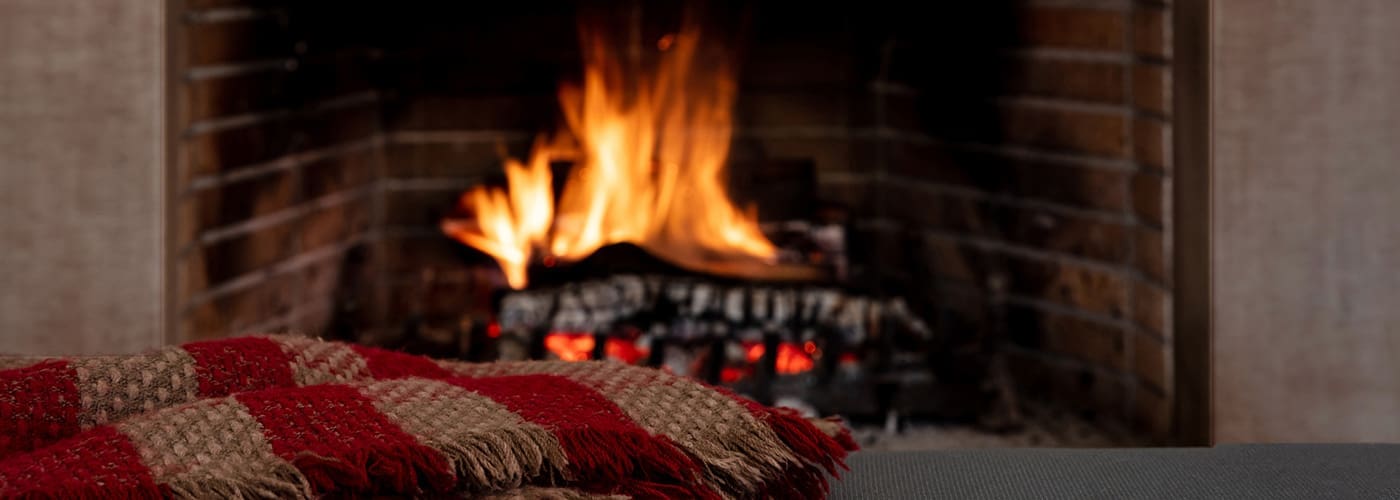
Do you enjoy the sight of flames and the smell of a fireplace? Stay vigilant, because improper installation of wood-heating appliances (stoves and fireplaces) causes multiple fires every year.
Wood: allowed or not?
Before purchasing a new wood-heating appliance, make sure it bears the seal of the Canadian Standards Association (CSA) or the United States Environmental Protection Agency (US/EPA). Appliances certified by these organizations emit fewer toxic particles and use up to 20% less fuel than conventional models. Learn more.
Also, check the standards in effect in your city or province. For example, since October 1, 2018, the most polluting wood-burning fireplaces have been banned in Montréal.
Measures for safe and efficient heating
Have your chimney swept by a professional every year to remove creosote (a deposit formed by smoke). It builds up on the chimney walls and is highly flammable. Only proper sweeping can remove it. Also:
- Let enough air into the chimney so the flames burn brightly. This promotes complete combustion and reduces smoke.
- Firewood and other combustible materials must be stored at least 1.5 m from the heating appliance.
- Store cords of wood outside, away from the house, and cover them to protect them from the elements. Wet wood burns poorly and increases creosote buildup.
- Burn only paper and wood in your fireplace. Any other substance may produce toxic fumes.
- Place ashes in a metal container with a raised bottom and store it outside, away from combustible materials, for at least 72 hours.
2. Electric heating
Electric heating is the most common in Québec, but you still need to be careful when using it.
Good habits to adopt for electric heating
- Use electrical appliances bearing the seal of an accredited approval organization.
- Do not place anything on electric baseboard heaters (such as mittens or socks to dry), as items in direct contact with the heat source may melt or even catch fire.
- For the same reason, keep furniture and curtains at least 10 cm away from baseboard heaters. For curtains, there are curtain guards: rods installed on the baseboard that push curtains away to prevent overheating. They can be found in hardware stores or home décor shops.
- If you need to repaint a baseboard heater, make sure to use only high-heat-resistant paint (spray or liquid).
3. Precautions for space heaters
- Plug the space heater directly into an electrical outlet. Avoid using an extension cord.
- Place the portable heater out of reach of children and pets.
- Do not leave a portable heater running unattended.
4. Oil or gas heating
If you have a gas furnace, boiler, or fireplace, here are the key points to watch for.
Check that the glass doors are sealed before using a fireplace.
Don’t forget to turn off the fireplace when you leave the house or when you go to bed.
Aim for efficiency!
Gas or oil heating emits greenhouse gases that contribute to climate change. If you can, choose a cleaner heating solution. Otherwise, here are a few tips to reduce the amount of fuel needed to heat your home, thereby also limiting polluting emissions:
- Insulate your pipes to prevent heat loss.
- Replace your aging gas or oil boiler with a newer, more efficient unit.
- Install smart thermostats that let you control the temperature more precisely and avoid overheating rooms that are used less often.
Don’t forget!
The time change is the perfect time to check and, if needed, replace the batteries in smoke alarms and carbon monoxide alarms.
- Each floor of your house or apartment must have at least one smoke alarm, including the basement. They must be installed in hallways and bedrooms.
- A carbon monoxide alarm should be installed in any room where there is a gas or oil heating appliance.
- Keep a portable fire extinguisher in an accessible place and, above all, make sure you know how to use it!
A well-maintained heating system is essential for a comfortable and safe winter. But remember: prevention is the best protection against heating-related incidents.
Enjoy peace of mind this winter and contact your broker to learn more about the best home insurance tailored to your needs.


